
Furnace Not Heating? What Lancaster Homeowners Should Check First
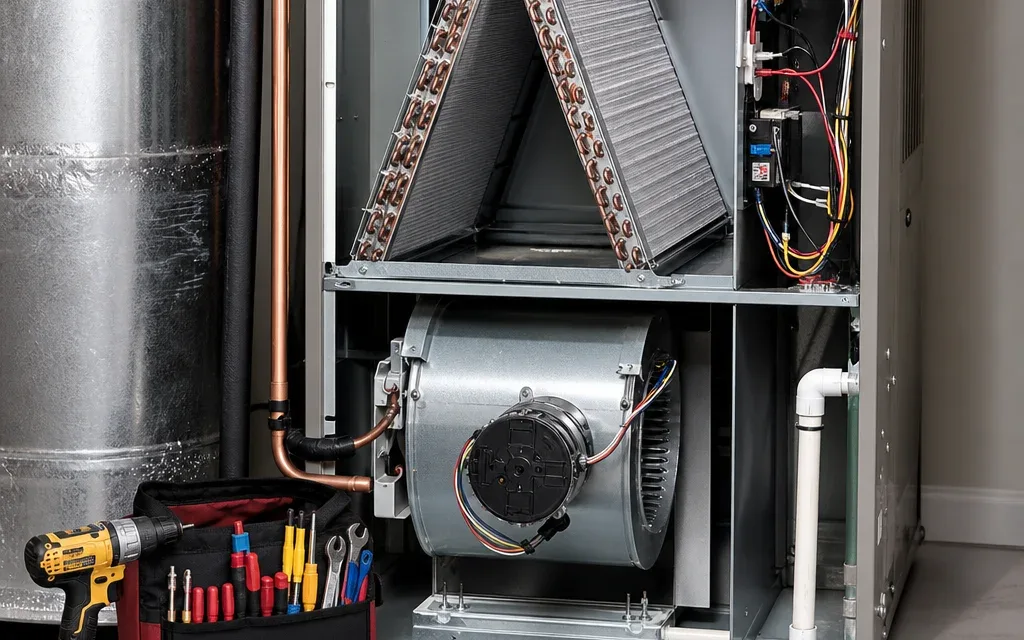
A furnace that will not heat is almost always the thermostat, a clogged air filter, a tripped breaker, a dead pilot light or ignitor, or a closed gas valve. Check those five things first, in that order. If your furnace is old or your home still has its original ductwork, the real problem may need a technician.
Lancaster winters are not mild. The high desert logs more heating degree days each year than cooling degree days. That means the furnace actually works harder and longer here than the AC does. A furnace that quits is not a minor inconvenience on a cold Antelope Valley night. Here is what to check before you pick up the phone.
Is Your Thermostat Actually the Problem?
The mode switch trips up more people than you would think. On "fan only," the blower spins but the gas valve never opens, so you feel air moving through the vents while the house stays just as cold. Confirm the display actually reads "Heat."
A programmable schedule can fool you the same way. If the target temperature drops overnight or during the day, the furnace is not broken, it is doing exactly what it was set to do. Pull up the schedule and check it against the clock. And if the unit runs on batteries, swap in fresh ones. A weak battery can drop the whole call for heat without any other warning.
Could a Dirty Air Filter Be Blocking Your Heat?
Lancaster's annual rainfall normal is only about 7.38 inches, which means there is almost nothing to rinse dust out of the air. That high-desert dust builds up on a furnace filter fast, and a clogged filter is one of the cheapest, most common causes of a no-heat call.
Slide the filter out and check it against a bright window. A gray, matted filter chokes the airflow the burner needs to run. Many furnaces respond to that by shutting the burner down on a safety limit rather than letting it overheat, so the fan keeps spinning while the heat quits. If light barely passes through, put in a fresh one before you check anything else.
Did a Tripped Breaker or Switch Cut Power to the Furnace?
Gas furnaces still need power for the ignition system and the blower motor. In your electrical panel, look for a breaker labeled "furnace" or "heat" sitting halfway between on and off. Push it firmly to off, then back to on. If it snaps out again right away, leave it off and call for a repair. A breaker that will not hold is flagging a real fault, not asking for another reset.
There is also a second switch to find: the furnace's own power toggle. It looks like an ordinary wall light switch, mounted right on or near the unit, and homeowners bump it off far more often than they expect.
Is the Pilot Light or Ignitor Out?
Older gas furnaces use a standing pilot light. A drafty utility closet or a gust through a vent can blow it out. Most furnaces have a printed panel showing how to relight the pilot safely. If yours will not stay lit, the culprit is often the thermocouple, the safety part that detects the flame. That is a repair, not a DIY fix.
Newer furnaces use an electronic ignitor instead of a standing pilot. A cracked or worn-out ignitor will not spark. The furnace still runs its fan and its startup sequence, but it never produces heat. This is a common reason a furnace "turns on" but never actually gets warm.
Is Your Gas Supply Actually On?
No gas means no heat, full stop. Check the gas valve at the furnace to confirm it is turned to the open position. While you are at it, check any other gas appliance in the house, a water heater or stove. If none of them are working, the problem may be at the meter or with the gas utility, not the furnace itself.
Could Your Furnace's Age or Ductwork Be the Real Problem?
A lot of Lancaster housing predates 1980, and in a home that old, a no-heat call is often the system itself talking, not a quick fix. A furnace nearing the end of its service life, or a duct run that was never sized for the house, will fight you every cold night no matter how clean the filter is.
Watch for two warning signs. One is short-cycling, where the furnace turns on and off again and again without ever heating the house. The other is age: a furnace that is 15 to 20 years old and struggling every winter is telling you something bigger is going on. An independent second opinion will tell you which one you are dealing with, with no pressure to buy. If replacement does make sense, our 2026 furnace replacement cost guide breaks down what drives that price up or down in Lancaster.
When Should You Call a Professional?
Have you checked the thermostat, the filter, the breaker, the pilot light or ignitor, and the gas valve? If the furnace still will not heat, it is time to call for HVAC repairs. Air-Link's owner, Leon Avalos, brings 17 years of hands-on HVAC experience to every call. The company is licensed, bonded, and insured (CSLB #1015155). Tell us what the furnace is doing when you call. Say whether the fan runs, whether you smell gas, and whether the pilot is lit or out. That way the tech arrives with the likely parts already on the truck. Call now for same-day or next-day service.
A cracked heat exchanger, a failed ignitor board, or a gas valve that will not open are not safe DIY repairs. Gas and electrical work inside a furnace carry real safety risks. That is exactly why a diagnostic visit exists, to find the actual cause before anyone spends money guessing.
Once the furnace is running again, a seasonal tune-up keeps small problems from turning into a repeat no-heat call. Air-Link serves homes across Lancaster and the rest of the Antelope Valley.
Need Help Today or Tomorrow?
If your furnace will not heat and you have tried the basics above, call Air-Link Heating & Cooling. We diagnose the actual problem, explain it in plain English, and give you one fair price to fix it, no pressure toward a replacement you do not need.
Call (661) 464-1747 for same-day or next-day help.
Talk to Air-Link Heating & Cooling
Questions about your HVAC job? We serve Lancaster and the surrounding area with honest, upfront advice.
Related articles
FAQ
Related questions
Why does my furnace turn on but blow no heat?
The blower fan can run for reasons that have nothing to do with actual heat. A dirty filter can starve the burner of airflow. A weak pilot light or bad ignitor can stop the flame from lighting. A closed gas valve can leave the burner with no fuel at all. The fan spinning does not mean the furnace is working. It just means the fan motor has power.
Does Air-Link charge a fee just to diagnose the problem?
Yes. The diagnostic fee covers the visit and the troubleshooting. If you move forward with the repair, that fee is applied toward the job, so you are not paying twice for the same visit. You get a clear written price before any repair work starts.
How fast can Air-Link get a technician to a Lancaster home for a no-heat call?
Most no-heat calls get same-day or next-day service. Tell us exactly what the furnace is doing when you call. Say whether the fan runs, whether you smell gas, and whether the pilot light is out. That way the tech can bring the likely parts on the truck and often finish the repair in one visit.
Does a no-heat furnace always mean I need a full replacement?
No. Most no-heat calls are a repair, not a replacement, and Air-Link's mission is to fix the actual problem rather than the most expensive one. If a tech does recommend replacement, you can get an independent second opinion for the standard diagnostic fee before you decide, and that fee applies toward the work if you go ahead.